The sugar industry
Sugar industry is an important agro-based industry that impacts rural livelihood of about 50 million sugarcane farmers and around 5 lakh workers directly employed in sugar mills. Employment is also generated in various ancillary activities relating to transport, trade servicing of machinery and supply of agriculture inputs. India is the second largest producer of sugar in the world after Brazil and is also the largest consumer. Today the Indian sugar industry’s annual output is worth approximately Rs.80,000 crores. There are 732 installed sugar factories in the country as on 31.07.2017, with sufficient crushing capacity to produce around 339 lakh MT of sugar. The capacity is roughly distributed equally between private sector units and cooperative sector units.
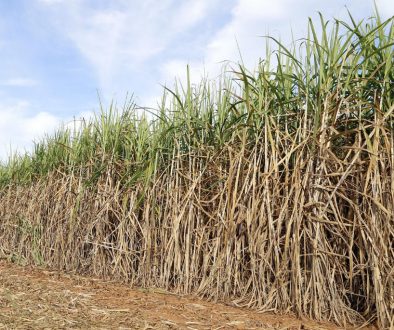
The sugar industry subsumes the production, processing and marketing of sugars (mostly saccharose and fructose). Globally, most sugar is extracted from sugar cane (~80 % predominantly in the tropics) and sugar beet (~ 20%, mostly in temperate climates like in the U.S. or Europe).
Sugar is used for soft drinks, sweetened beverages, convenience foods, fast food, candy, confectionery, baked products, and other sweetened foods. Sugarcane is used in the distillation of rum.
Sugar subsidies have driven market costs for sugar well below the cost of production. As of 2018, 3/4 of world sugar production was not traded on the open market. The global market for sugar and sweeteners was some $77.5 billion in 2012, with sugar comprising an almost 85% share, growing at a compound annual growth rate of 4.6%.
Globally in 2018, around 185 million tons of sugar was produced, led by India with 35.9 million tons, followed by Brazil and Thailand. There are more than 123 sugar-producing countries, but only 30% of the produce is traded on the international market.